The Ticket-Stub Trap: When Your Hobby Calendar Starts Running Your Love Life
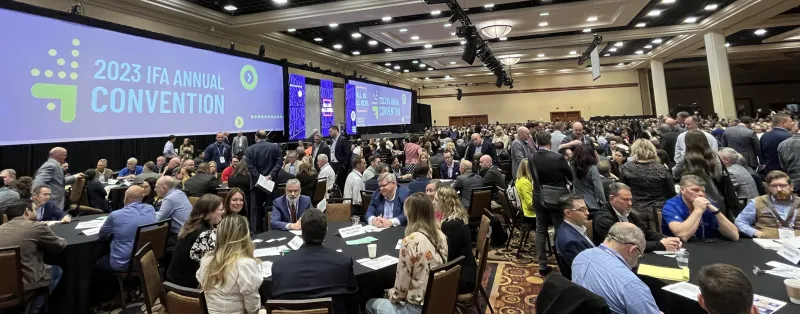
Photo: convention badge lanyard tickets badge lanyard stack on table, via location3.com
Add it up. A weekend badge for a mid-size con runs about $85. Parking at the convention center is $40 for the day, if you're lucky. A hotel room within walking distance is $220 a night, so call it $110 each. Dinner near the venue, because everything within six blocks marks up, is $70. And you needed something to wear — nothing elaborate, just enough to fit in — so figure $60.
That's a first date with someone you matched with eleven days ago, and it costs about $365 before you've had a single honest conversation that isn't about the schedule.
This is the pattern a lot of niche daters have slipped into without quite deciding to: the shared social calendar becomes the default dating venue, and the price of admission becomes the price of finding out whether you like someone.
How the Default Date Got So Expensive
It's not a conspiracy. It's convenience plus scarcity.
When your community's social life is organized around big-ticket events, those events are also the easiest places to suggest meeting. They're structured. There's a built-in topic. Nobody has to be creative. And when the local dating pool is small, you may only get two or three viable matches a year — so it's tempting to treat each one as a milestone occasion.
There's social pressure too. Declining the big event can read as not really part of the scene. Suggesting coffee instead of a $95 workshop can feel like you're downgrading the date, even though coffee is a far better format for a first meeting.
Events also do something else: they hide the awkwardness. A tournament has brackets. A convention has panels. A workshop has an instructor telling you what to do for two hours. You can spend an entire afternoon with someone and never once sit across from them with nothing to say — which means you can leave still not knowing if you actually enjoy their company.
The Sunk-Cost Chemistry Problem
Here's where it gets genuinely messy. Spend enough on a date and you start rooting for it.
You've paid for the badge. You've driven two hours. You've told the group chat you're meeting someone there. The person is nice. You have a decent time. So you keep going — not because you feel a spark, but because the cost of walking away feels like a waste.
That sunk cost can drag a mismatch along for weeks. And in a small community, those weeks have a social cost of their own: everyone saw you together at the big event, and now there's a narrative to unwind.
Dates That Actually Test Something
The point of a first date is information. You want to know how someone handles a lull, how they treat a barista, whether they ask you a second question, whether the conversation gets easier or harder as the night goes on. Expensive activities are bad at this, mostly because the activity keeps doing the work.
A cheaper repertoire that still feels intentional:
- The two-hour coffee. Unfashionable, undefeated. Long enough for a real conversation, short enough to end gracefully.
- The neighborhood walk with no destination. No itinerary to manage, so the conversation has to carry the date. That's the point.
- A weekday grocery store run together. Sounds unromantic until you've watched someone choose produce. It's a compatibility test disguised as errands.
- The free community event. Library talks, park concerts, gallery openings, board game nights at the local shop. Niche-adjacent, low stakes, easy to leave.
- The split-the-appetizer bar. Two drinks, one snack, a hard stop you both agreed to in advance.
The general rule worth adopting: if you can't tell whether you had fun without the activity, the activity was the date, not the person.
Splitting Without the Awkwardness
Money is the conversation nobody wants to open, and niche events make it worse because the ticket is often purchased days in advance by one person.
A few practical habits:
Never front more than about the cost of a normal dinner on a first date. If the event is more than that, don't do it as a first date. Go to the cheap version of it — the one-day pass, the single session, the meetup at the bar afterward.
Say the plan out loud before buying. I'd love to go, but I usually cap first dates at around $20. Want to do the free panel and grab tacos after? It's clarifying, it signals you're thoughtful about money, and it filters out anyone who treats spending as a measure of interest.
Use a payment app the same day. Venmo, Zelle, whatever — send your half within 24 hours and don't make it a thing. Awkwardness about money is mostly about delay.
Don't buy the outfit. Seriously. Nobody in your community is keeping a ledger of your con wardrobe.
When the Calendar Becomes the Third Person in the Relationship
There's a slower version of this problem that shows up a few months in, when your shared hobby calendar starts dictating both of your weekends. Every free Saturday has a tournament. Every long weekend has a trip. You haven't had a quiet dinner at home since spring.
That's where the budget pressure turns into relationship pressure. Two people can be deeply compatible and still burn out on a schedule that leaves no room for anything but the shared interest.
Try one unglamorous thing this month: a date with no ticket, no badge, no costume, and no itinerary. A Tuesday. A couch. Something you both have to bring yourselves to, with nothing to hide behind.
If that's fun, you've found something an $85 badge was never going to tell you. And if it isn't, you've just saved yourself a few hundred dollars and a very long weekend.