Prove It or Lose It: How Fandom Loyalty Tests Are Costing You Real Connections

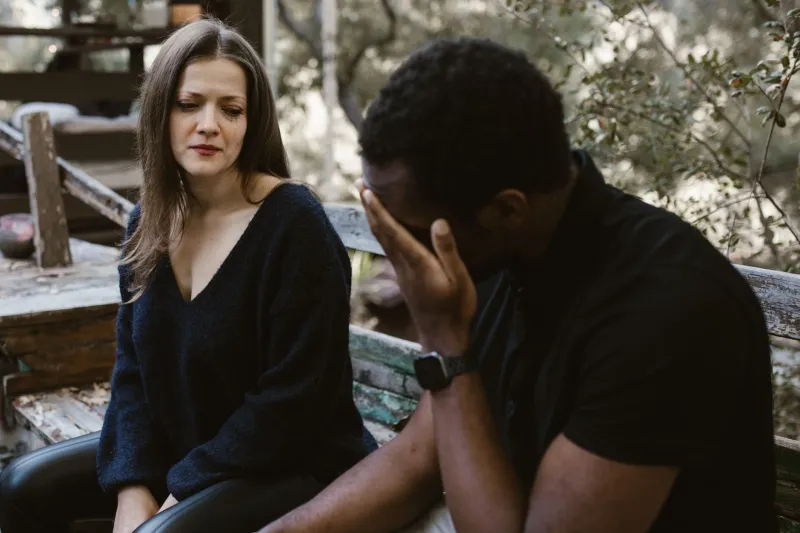
Photo by Photo by Aaron Douglas on Unsplash on Unsplash
There's a moment a lot of niche daters know all too well. You're vibing with someone new — maybe at a local board game night, a comic convention, or a DIY music show — and then it happens. Someone in your crew leans over and asks the question. "So what's your favorite deep cut?" or "Name three albums from before the reunion tour." The new person stumbles. The vibe shifts. And just like that, they're quietly written off.
Here's the thing nobody wants to say out loud: that moment might be costing you the best relationship you never had.
The Credential Check Nobody Voted For
Gatekeeping inside niche communities isn't new. Whether you're into vintage sneakers, tabletop RPGs, indie horror films, or competitive birding, every tight-knit group has its version of the authenticity test. On the surface, it feels protective — like you're weeding out the posers and the tourists. But when that same energy bleeds into your dating life, something else is happening.
You're not filtering for compatibility. You're filtering for performance.
There's a big difference between wanting a partner who genuinely shares your passion and demanding that they prove it on command. One is about connection. The other is about gatekeeping dressed up as standards.
Psychologists call this in-group favoritism — the deeply human tendency to trust and reward people who mirror our identity markers. Communities form around shared language, references, and rituals, and those things feel sacred. When someone doesn't know them, the brain registers it as a threat to the group's identity. That's not malicious. It's just wiring. But wiring isn't destiny.
Real People, Real Rejections
Take Marcus, a 31-year-old from Austin who got deep into the local tabletop gaming scene after college. He met a woman at a friend's game night who seemed genuinely curious about the hobby — she laughed at the right moments, asked smart questions, and stayed until midnight even though she'd never played before. His friends weren't impressed. She hadn't heard of the titles they referenced. She mixed up some lore. By the end of the night, the group had collectively decided she was "just there for the vibe."
Marcus let their opinion steer him. He didn't ask her out.
Six months later, she'd become one of the most active players in a competing group across town. He ran into her at a convention. She was wearing a custom-made character shirt. They're friendly now, but the window had closed.
"I let my friends' gatekeeping become my gatekeeping," he said. "She wasn't less into it. She was just newer. And I confused the two."
That confusion — between newness and inauthenticity — is at the heart of the purity test problem.
Why Niche Communities Run These Tests in the First Place
Before we get too judge-y, it's worth understanding the real anxiety underneath gatekeeping behavior. Most niche communities have spent years being dismissed, mocked, or misunderstood by mainstream culture. Anime fans, dungeon masters, vintage car restorers, competitive cosplayers — these groups built their identities in the margins. When something they love gets popular, or when someone seems to be dipping in for clout, the instinct to protect the space makes total sense.
The problem is that dating isn't a membership application. You're not protecting your community from a casual fan. You're deciding whether to let someone into your life.
And the bar for those two things should be completely different.
The Paradox Nobody Talks About
Here's where it gets genuinely counterintuitive: the people who pass your toughest purity tests are often the least compatible partners for you.
Why? Because hardcore insiders already have their own deep, established relationship with the thing you love. They have opinions that might clash with yours. They have community allegiances. They have a version of the thing that might not match your version. You're not getting a blank slate who grows into your world — you're getting someone who already has a fully formed identity inside it.
Meanwhile, the person who shows up curious, a little nervous, and willing to learn? They're offering you something rare: the chance to share something you love with someone who doesn't already have all the answers. That's not a liability. That's actually kind of beautiful.
How to Tell the Difference Between Filtering and Gatekeeping
Look, nobody's saying you have to date someone who actively dislikes your interests or rolls their eyes at your hobby. Genuine compatibility matters. But there's a useful gut-check you can run when you catch yourself or your friend group doing the credential shuffle:
Ask: Am I testing for passion, or am I testing for trivia? Knowing obscure facts about something isn't the same as caring about it. Someone can love something deeply and still not know every canonical detail. Curiosity and enthusiasm matter more than a pop quiz score.
Ask: Would I have passed this test when I first started? Every expert was once a beginner. If you're holding someone to the standard of your current knowledge on day one, you're not being discerning — you're just being exclusive.
Ask: Is this my standard, or my community's standard? Sometimes we absorb our friend group's gatekeeping without realizing it's not actually ours. If you'd be fine with the person one-on-one but worried about what your crew would think, that's worth examining.
Ask: What am I actually afraid of? Often, the purity test is really about vulnerability. If you let someone in who doesn't already belong, you might have to explain yourself. You might get it wrong. You might care and have it not work out. That's scary. But it's also just... dating.
What You Gain When You Let the Test Go
Dropping the gatekeeping mentality doesn't mean lowering your standards. It means shifting them toward what actually predicts a good relationship: curiosity, respect, emotional availability, and a genuine interest in your world — even if they're still finding their footing in it.
Some of the most lasting niche-community couples started with one person being the guide and the other being the newcomer. There's a real intimacy in showing someone the thing you love and watching them fall for it too. That's not settling. That's connection.
So the next time someone stumbles on a reference or admits they've only seen the first season, maybe hold off on the silent verdict. Ask a follow-up question instead. See what happens when you swap the test for a conversation.
Your perfect match might be standing right there — they just haven't memorized the lore yet.